In modern construction and industrial installations across the United Kingdom, selecting the right support system is critical for durability, safety, and cost efficiency. Whether you’re managing electrical frameworks, HVAC systems, or mechanical installations, the choice often comes down to Strut Channel systems versus traditional support methods like welded frames or angle iron.
So, which one is better?
In this comprehensive guide, we’ll break down the differences, benefits, and real-world applications to help you make an informed decision.
What is a Strut Channel?
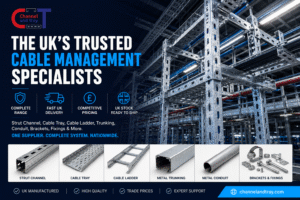
A Strut Channel is a standardized metal framing system used to support wiring, piping, and mechanical components. It eliminates the need for welding and drilling, making installation faster and more flexible.
Common Types of Strut Channels
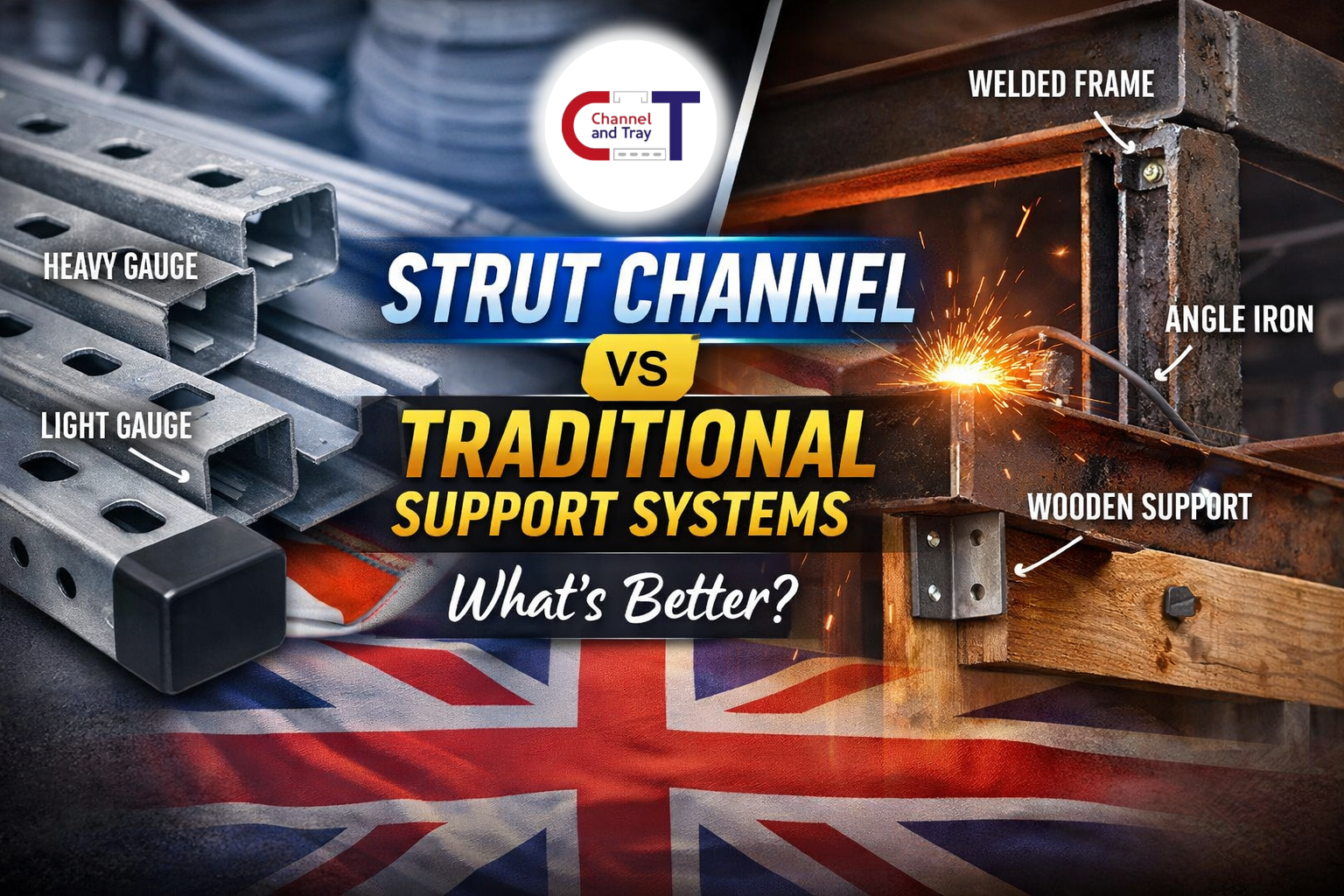
1. Heavy Gauge Strut Channel
- Designed for high-load applications
- Ideal for industrial and heavy-duty installations
- Offers superior strength and durability
2. Light Gauge Strut Channel
- Suitable for lighter loads
- Commonly used in electrical and small-scale support systems
- More cost-effective for less demanding applications
3. Strut Channel Hot Dipped Galvanized
- Coated with zinc for corrosion resistance
- Perfect for outdoor and harsh environments
- Widely used in UK weather conditions
4. Strut Channel Cut to Length
- Custom-sized channels for specific project requirements
- Reduces material waste and installation time
- Protects exposed edges
- Enhances safety and aesthetics
- Prevents dust and debris accumulation
Traditional Support Systems: An Overview
Before the rise of modular systems, traditional support methods were widely used, including:
- Welded steel frames
- Angle iron supports
- Wooden structures
While these methods are still in use, they come with limitations in flexibility, installation time, and maintenance.
Strut Channel vs Traditional Support Systems
1. Installation Time
Strut Channel:
- Quick assembly with nuts and bolts
- No welding required
- Easy adjustments on-site
Traditional Systems:
- Time-consuming fabrication
- Requires skilled labour for welding
- Limited flexibility once installed
2. Cost Efficiency
Strut Channel:
- Lower labour costs
- Minimal material waste (especially with Strut Channel cut to length)
Traditional Systems:
- Higher labour and fabrication costs
- Potential rework increases expenses
3. Durability & Corrosion Resistance
Strut Channel:
- Options like Strut Channel Hot Dipped Galvanized resist rust
- Long lifespan in outdoor environments
Traditional Systems:
- May require additional coatings
- Prone to corrosion if not treated properly
4. Flexibility & Scalability
Strut Channel:
- Easily adjustable and expandable
- Ideal for evolving project requirements
Traditional Systems:
- Fixed structures
- Difficult to modify
5. Safety
Strut Channel:
- Smooth edges with accessories like PVC End Cap for Strut
- No welding hazards during installation
Traditional Systems:
- Welding risks
- Sharp edges and structural inconsistencies
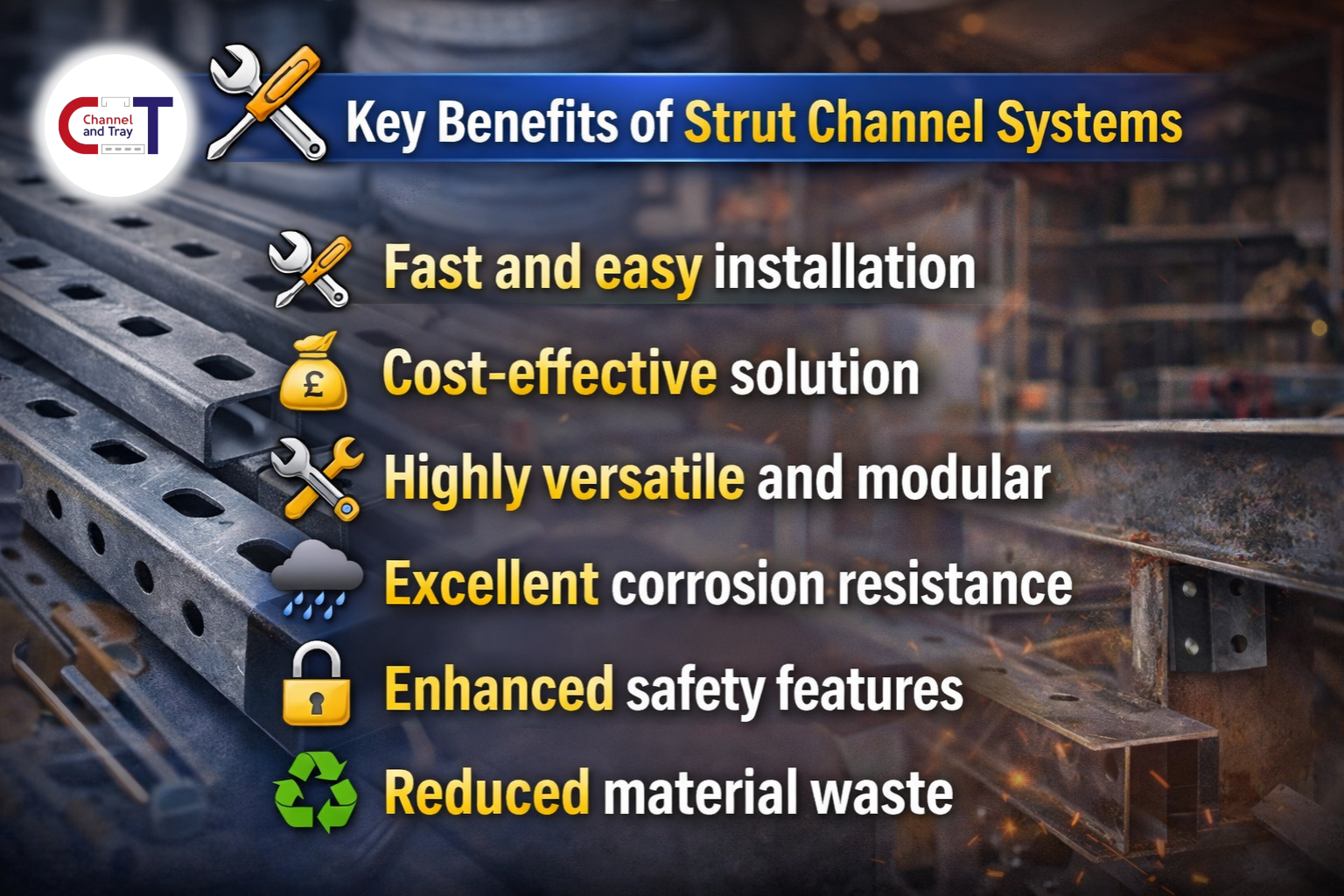
Key Benefits of Strut Channel Systems
- Fast and easy installation
- Cost-effective solution
- Highly versatile and modular
- Excellent corrosion resistance
- Enhanced safety features
- Reduced material waste
Applications of Strut Channel in the UK
Strut Channel systems are widely used across various industries in the UK:
Construction Industry
- Structural framing support
- Cable management systems
Electrical Installations
- Cable trays and conduit support
- Panel mounting
HVAC Systems
- Duct support frameworks
- Equipment mounting
Industrial Facilities
- Pipe support systems
- Machinery frameworks
Why Choose Channel and Tray in the United Kingdom?
When it comes to sourcing high-quality Strut Channel solutions in the UK, channel and tray stands out as a trusted supplier.
Here’s why:
- Premium Quality Materials
Manufactured to meet industry standards for strength and durability - Affordable Pricing
Competitive rates without compromising quality - Custom Cut-to-Length Solutions
Get exactly what your project requires - Fast UK-Wide Delivery
Reliable shipping across the United Kingdom - Wide Product Range
Including Heavy Gauge Strut Channel, Light Gauge Strut Channel, and accessories like PVC End Caps
When comparing Strut Channel vs Traditional Support Systems, the advantages of strut systems are clear. From faster installation and cost savings to flexibility and durability, Strut Channel offers a modern, efficient solution for today’s construction and industrial needs.
If you’re planning a project in the United Kingdom, investing in high-quality Strut Channel systems is a smart and future-proof choice.
Visit our website today to explore the best and most affordable Strut Channel solutions in the UK or request a quote tailored to your needs.
Frequently Asked Questions (FAQs)
What is the difference between Heavy Gauge Strut Channel and Light Gauge Strut Channel?
Heavy Gauge Strut Channel is thicker and designed for high-load applications, while Light Gauge Strut Channel is thinner and suitable for lighter installations.
When should I use Strut Channel Hot Dipped Galvanized?
You should use it in outdoor or high-moisture environments where corrosion resistance is essential, especially in the UK’s variable weather conditions.
Can Strut Channel be cut to custom lengths?
Yes, Strut Channel cut to length allows you to get precise sizes tailored to your project, reducing waste and saving time.
What is the purpose of a PVC End Cap for Strut?
A PVC End Cap for Strut protects exposed edges, improves safety, and provides a clean, finished look.